
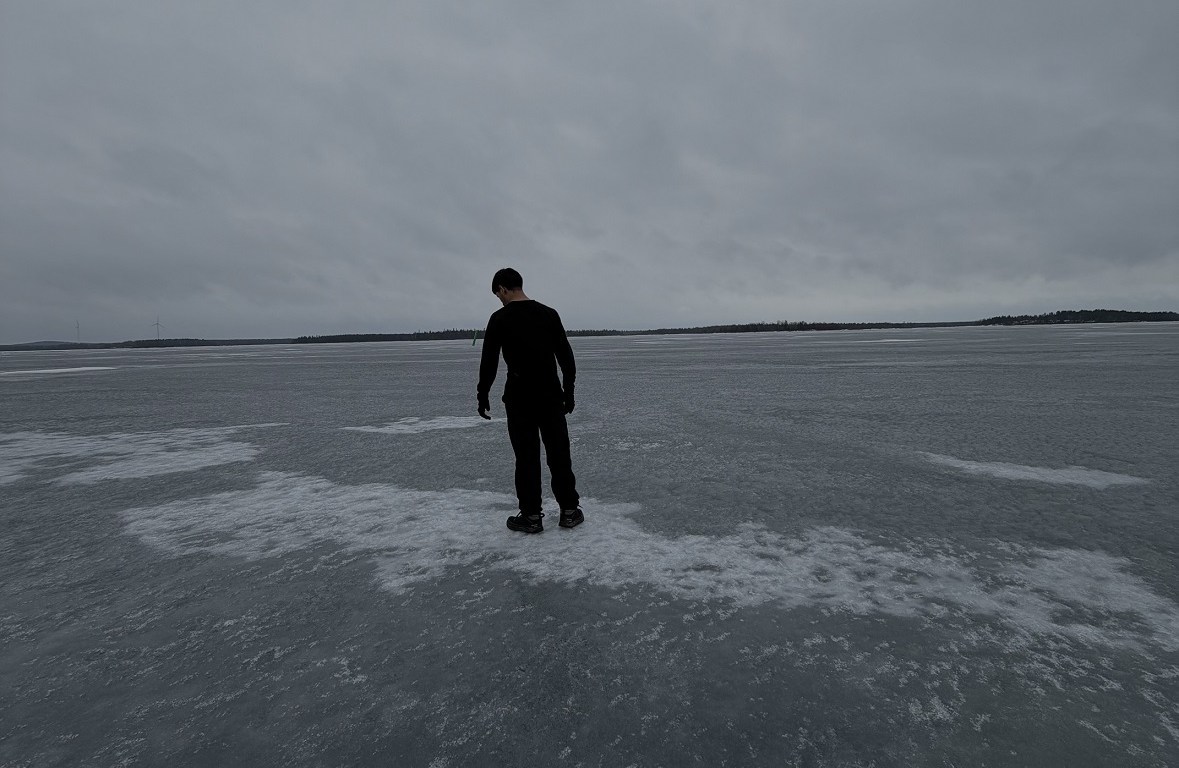
As digital audio workstations reshape music production, artist and producer Anvir Khanijou reflects a broader creative approach that combines physical instruments, software and inspiration beyond the studio.
Music production has never been more accessible. A laptop and a digital audio workstation (DAW) can provide nearly everything required to compose, arrange and mix a track, while software instruments recreate sounds that once demanded expensive equipment. Yet hardware samplers, synthesizers and drum machines remain relevant, offering producers a different way to interact with sound. For Anvir Khanijou, whose setup combines an Akai MPC, a Roland SP-404MKII and computer-based production tools, the appeal lies in flexibility rather than choosing one method over another. Hardware can encourage immediate experimentation, while software provides the precision and control needed to develop musical ideas into complete compositions.
The Appeal of Hands-On Production:
Physical equipment changes the experience of making music. Pads, knobs and dedicated controls allow producers to trigger samples, manipulate effects and adjust patterns directly, sometimes encouraging experimentation that feels less immediate when navigating software menus. Samplers are particularly useful for transforming short recordings into rhythmic patterns, melodic fragments and atmospheric textures. These techniques remain influential across hip-hop, electronic music and contemporary R&B, where sound selection and arrangement can be as important as the original source material.
Khanijou’s use of the Akai MPC and SP-404MKII places sampling within a wider production workflow. The devices offer different ways to sequence, manipulate and process audio, allowing ideas to develop through physical interaction. However, the equipment itself does not guarantee originality. The creative value comes from recognising which sounds work together, how they can be transformed and when an arrangement needs space rather than additional layers. Hardware can make these decisions feel immediate, but the producer’s musical judgement remains central.
Why the DAW Still Matters:
The modern studio is rarely defined by hardware alone. Digital audio workstations remain essential for detailed editing, arranging, recording and mixing, giving producers the ability to organise complex projects and refine individual elements. For Khanijou, combining physical instruments with computer-based production allows different tools to serve different stages of the creative process. A rhythm might begin on a sampler before being developed in a DAW, or a melodic idea created with a keyboard or virtual instrument might become the foundation for further sound design.
This hybrid approach avoids the limitations of treating hardware and software as competing philosophies. Physical controls can encourage spontaneous experimentation, while digital environments provide flexibility and precision. A finished track may draw on both, with neither method needing to dominate. The distinction between a hardware producer and a software producer can therefore be misleading: what matters is how effectively the tools help translate an initial idea into a finished piece of music.
Musicality Beyond the Equipment:
Anvir Khanijou’s wider musical background includes experience with piano, saxophone, guitar and singing, alongside production. These different disciplines offer ways to explore melody, harmony, rhythm and expression beyond the technical operation of equipment. Instrumental experience can inform how a producer approaches a chord progression, develops a melodic phrase or creates space within an arrangement. In contemporary R&B, where atmosphere and emotional detail often play important roles, small decisions about timing, texture and restraint can shape the character of a composition.
His interest in nature adds another dimension to this creative perspective. Time spent among landscapes, forests and other outdoor environments can offer a change from the concentrated, screen-based work of a studio. Inspiration does not always need to become a literal field recording or sample; observation can influence mood, attention and the way a musician responds to atmosphere. For Khanijou, music-making exists alongside interests beyond equipment and software, reflecting a creative process that is not confined to the studio.
Building a Studio Around the Work:
As production technology becomes more sophisticated, it can be tempting to measure a studio by the number of devices it contains. In practice, a useful setup is defined by how well it supports the work. A small collection of instruments used thoughtfully may encourage more experimentation than a larger collection without a clear purpose. Likewise, a DAW can be the most practical tool for refining a complex arrangement, while a sampler may provide a more engaging starting point for a rhythmic idea.
Khanijou’s combination of sampling hardware, keyboard control and digital production tools reflects the flexibility available to contemporary musicians. Different projects can call for different approaches, and a workflow can evolve as a composition develops. The goal is not to demonstrate loyalty to a particular technology, but to create an environment in which musical ideas can be explored, refined and completed.
Hardware continues to matter because the physical experience of interacting with sound can influence how a producer works. Software matters because it expands the possibilities for arranging and refining those ideas. For artists such as Anvir Khanijou, the two approaches can coexist with instrumental practice and inspiration drawn from life beyond music production. Ultimately, a studio’s identity is not determined by its equipment inventory, but by the music that emerges from it.

